Early literacy at home

Raise readers without stress

Raise readers
without

Research-based strategies that fit right into your home. 
No fancy curriculum, just simple routines.

Support for every child, at every stage of reading
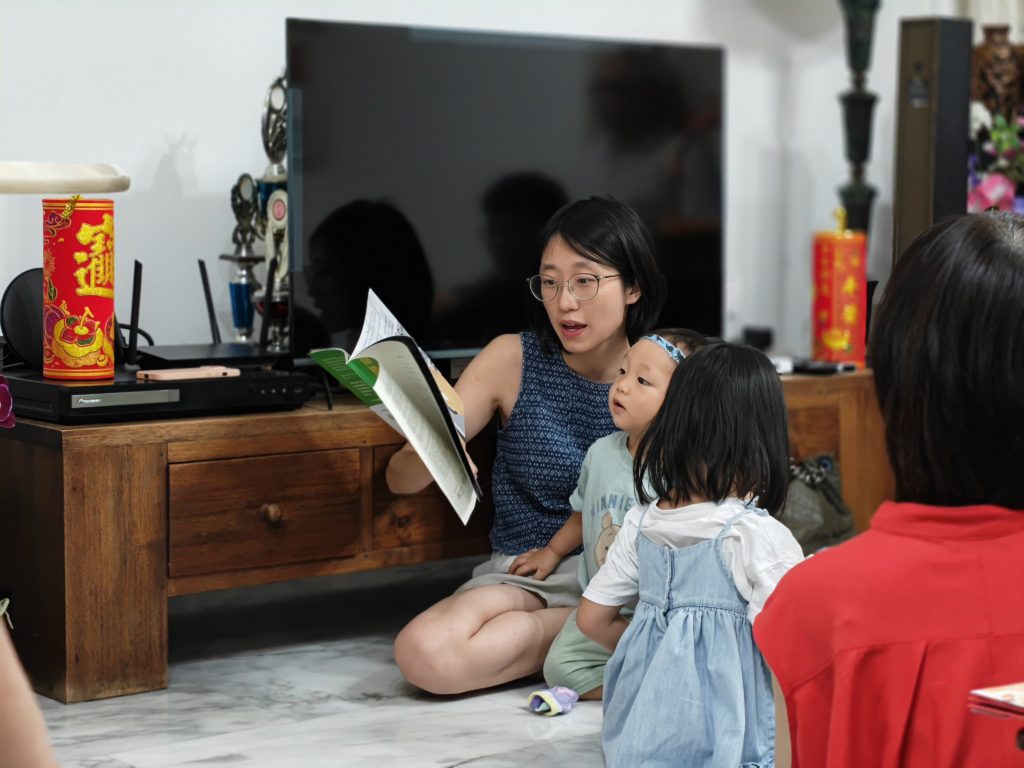
A woman sits on the floor with a child in her lap. She is holding a book and reading.
PRE-READERS

tiny starts:
Storytelling for Parents

$68
The storytelling course that gets kids reading... from birth!
  • Learn the secret that gets kids engaged and excited about reading: dialogic reading
  • Learn storytelling techniques that work in any language, including bilingual homes
  • Create cosy reading corners that spark joy even in the smallest of homes
  • Curate books even babies will actually want to read
  • Understand your child's responses and enhance vocabulary and grammar, even before they can talk
  • Build reading habits to last a lifetime
  • Start here. Your child's phonics journey will thank you for it.
    Find out more
    PHONICS - STARTER

    tiny turns:
    The Phonics Game System

    $28 e-copy
    or $48 for physical board game
    The game that turns YOU into a phonics teacher. For home learning that's multisensory, fun and meaningful.
  • Master the 5 key phonics skills that will help your child read, spell and write
  • Replace the random activity list you've saved on Instagram/TikTok/Pinterest etc. with a structured system so you know what to teach and when
  • 30+ hands-on activities that early literacy experts use and love
  • Follow your child's pace by adjusting difficulty level at a snap
  • Includes FREE basic phonics training so you understand why each game works, not just how to play it
  • Want more structured guidance? Tiny Reads: Phonics for Parents has you covered.
    Find out more
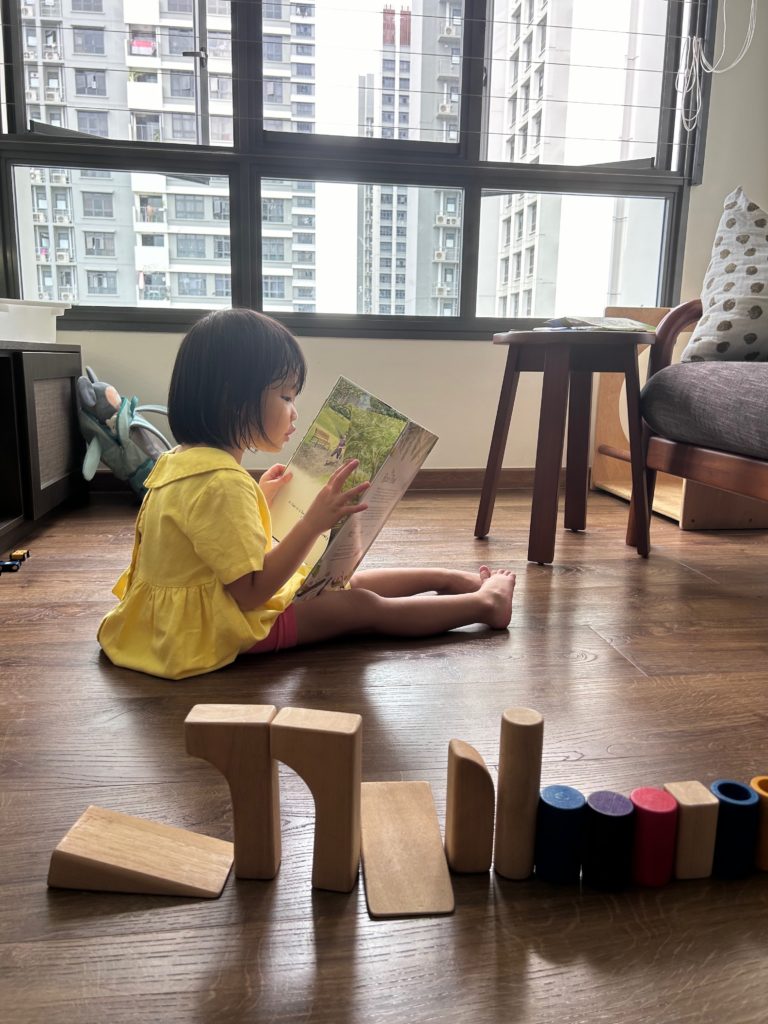
    A girl in a yellow dress sits on a living room floor, holding a picture book and reading.
    PHONICS - COMPREHENSIVE

    tiny phonics:
    Reading for Parents

    $218
    The all-in-one comprehensive that gives you everything you need to teach your child to read, spell and write.
  • Understand exactly how your child learns - no experience needed
  • Go at your child's pace and build intrinsic motivation for reading and writing
  • Move beyond flashcards and integrate phonics into real life - labels, signs, favourite books
  • Choose books that will give your child success in reading
  • Bring reading and writing skills into playtime that's independent and child-led
  • Create AI-powered printables that match your child's interests and needs (screen-free for them, fuss-free for you!)
  • + Full access to Tiny Turns: The Phonics Game
  • Includes everything in Tiny Turns; The Phonics Game... and everything beyond it. 
    Find out more

    Let's get your little one turning pages.

    Hi – I’m Sarah Tan, a teacher, mum of 2 and passionate early literacy advocate.

    When my son was born with hearing loss, early literacy became both my passion and my priority.

    I created Tiny Turns Page to make sense of the early literacy research. I don’t believe in a one-size-fits-all approach – that doesn’t account for the unique needs of our kids. Instead, I follow the evidence and adapt research so it works for us.

    Just like you, I want the best for my kids – and that means taking an approach that fits them best. After all, no one knows your child better.

    Will you join me and our little community of parents taking a different approach to early literacy?
    Meet Sarah
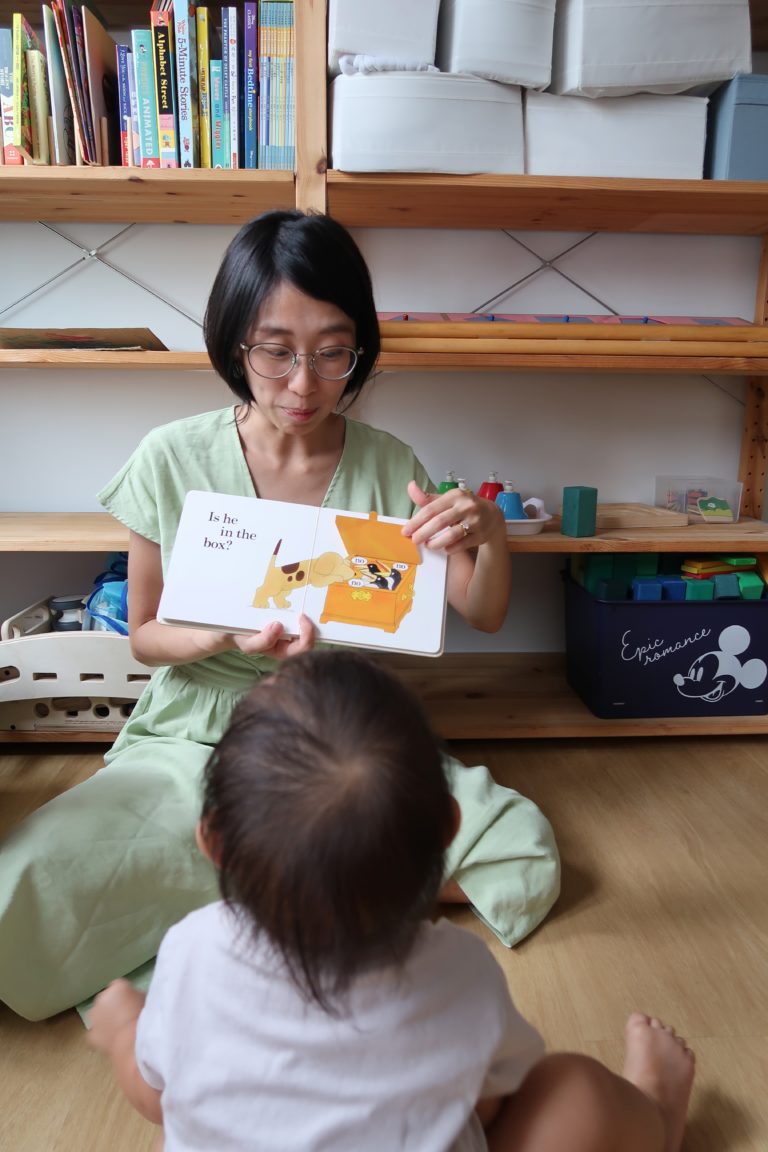
    A woman in a green dress sits on the floor holding out a picture book, while a child, whose back faces the camera, watches her.
    Follow @tinyturnspage for more
    • Have you heard of this rule of thumb - for every year of age, expect 2-3 minutes of attention? 
Well, you CAN bust those limits with these research-backed ways! 
Attention spans vary a LOT between babies, situations and activities. They’re mediated by parents’ actions and dispositions. 
Let me know in the comments if you’ve tried any of these, and how they’ve worked for you!
#momhacks #earlyliteracy #babydevelopment
    • Did you manage to spot all the cats? Proof that our human brain can’t multitask, let alone our young #toddlers and #preschoolers 
Sustained selective attention is deeply linked to the development of language and other cognitive skills. Though I’m tired of reading Spot the Cat, I can’t say no to more practice with this skill! 
Veer, I., Luyten, H., Mulder, H., Tuijl, C., & Sleegers, P. (2017). Selective attention relates to the development of executive functions in 2,5-to 3-year-olds: : A longitudinal study.. Early Childhood Research Quarterly, 41, 84-94. https://doi.org/10.1016/J.ECRESQ.2017.06.005.
#earlyliteracy #readingtokids
    • What words do you usually use to describe your child’s language development? Share with me in the comments 💛
I have a lot of #momguilt about the way I used to talk about my children’s development. Thankfully, it’s 2024 and research is moving towards acknowledging that #signlanguage (s) are whole languages, and that kids should be empowered to choose the language they can most fully access. 
Earlier, I shared a reel using the term “closure”, as opposed to “auditory closure”. This is deliberate. Hoping we can change the way we talk about language, so all forms of language development are accurately and positively recognised!
    • Who else grew up watching or reading Maisy? It’s 2024 but Maisy is still the OG for baby language development #millennialmom #babydevelopment #earlyliteracy 
Note: I’ve chosen to use ‘closure’ as the more inclusive term instead of auditory closure, which speech therapists more often use. ‘Closure’ includes the idea that #deafbabies #HoH and differently abled people use multiple sources of input, including visual cues, to complete the message.

    Insert title here